How to move to Thailand (just buy the ticket)
#nomad . #thailand . #how-to
People overthink moving to Thailand. They research visas for months, read a hundred blog posts, and somehow never book the flight. Here is the honest version from someone living it. Just buy the ticket. The rest you work out when you land.
Just buy the ticket
I mean that literally. You do not need a master plan, a visa strategy, or a year of savings. You need a flight and basic income. When you land, hostels run about 5 to 10 euro a night, so a roof over your head is never the problem. Give yourself a soft week to find your feet, and the trip itself starts teaching you what to do next. Most people who “plan to move to Thailand” for two years would learn more in their first two weeks on the ground.
Where to base yourself
My honest read after basing myself around the country:
Bangkok is unreal energy, a city that never sleeps and genuinely friendly people. But after three or four days the pollution gets to me and I want out. Great to taste, hard to work in for long.
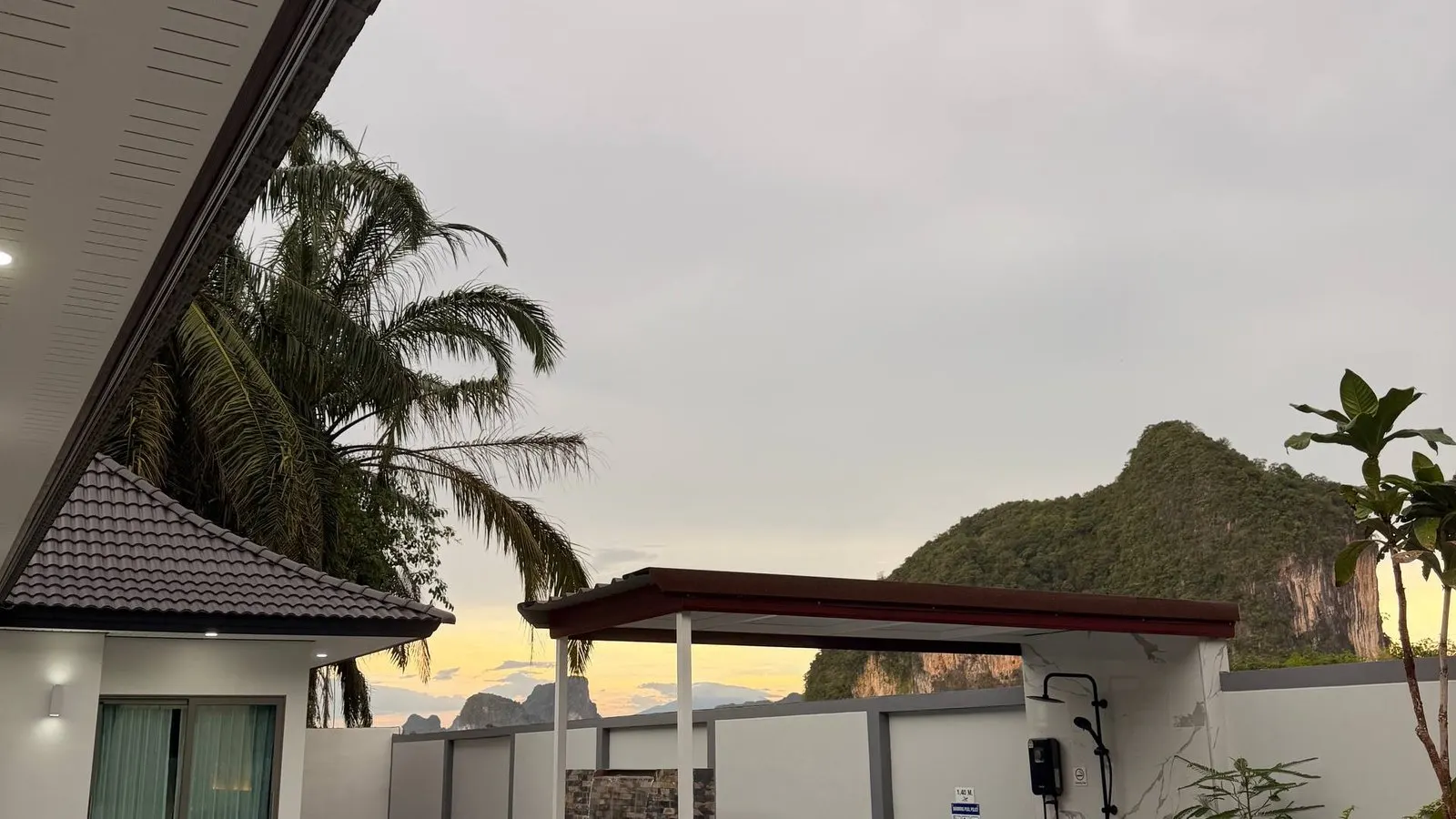
Ao Nang, where I am right now, is my pick for actually getting work done, especially in low season. It is quiet, the rain keeps me at the desk, and I never feel like I am missing out.
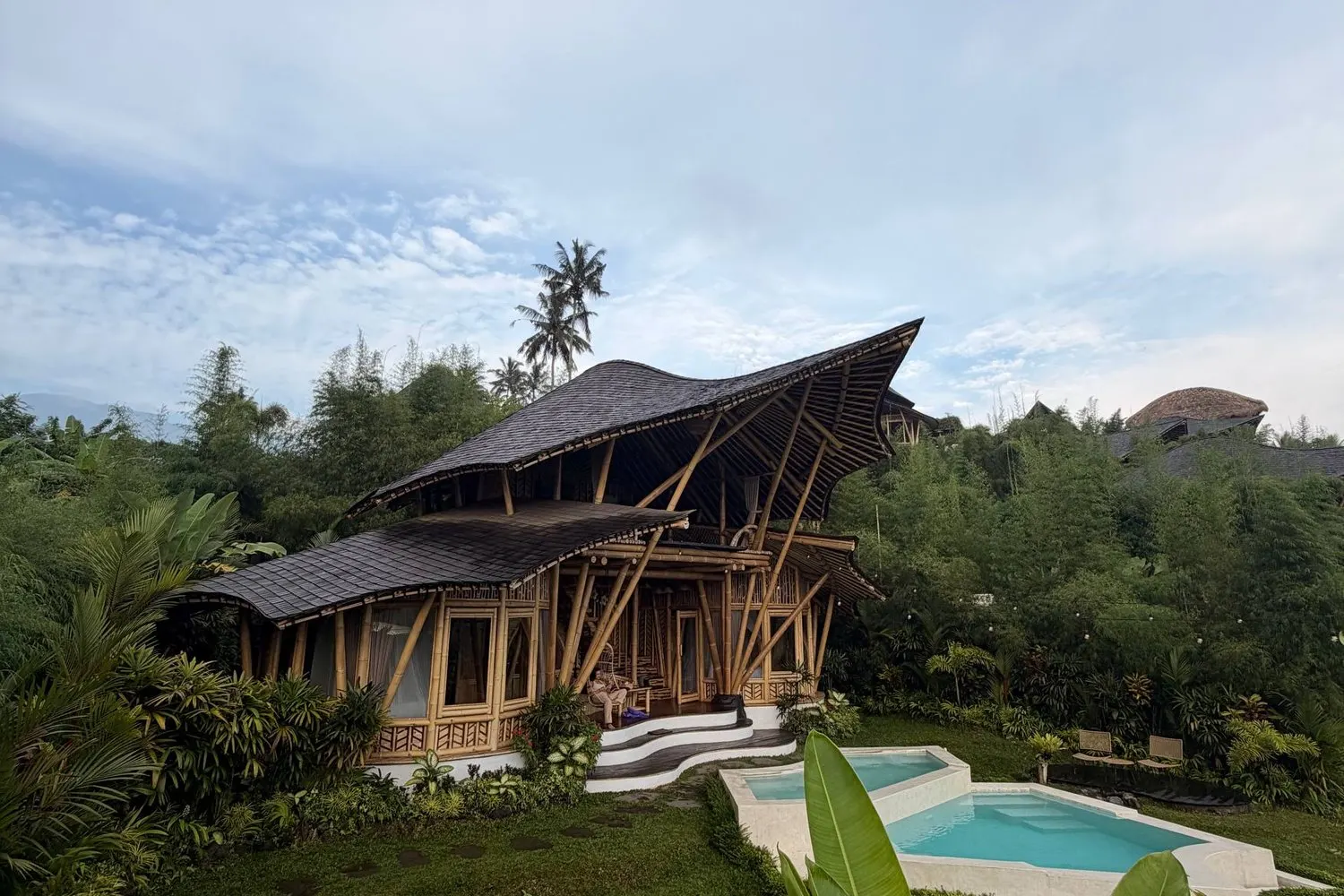
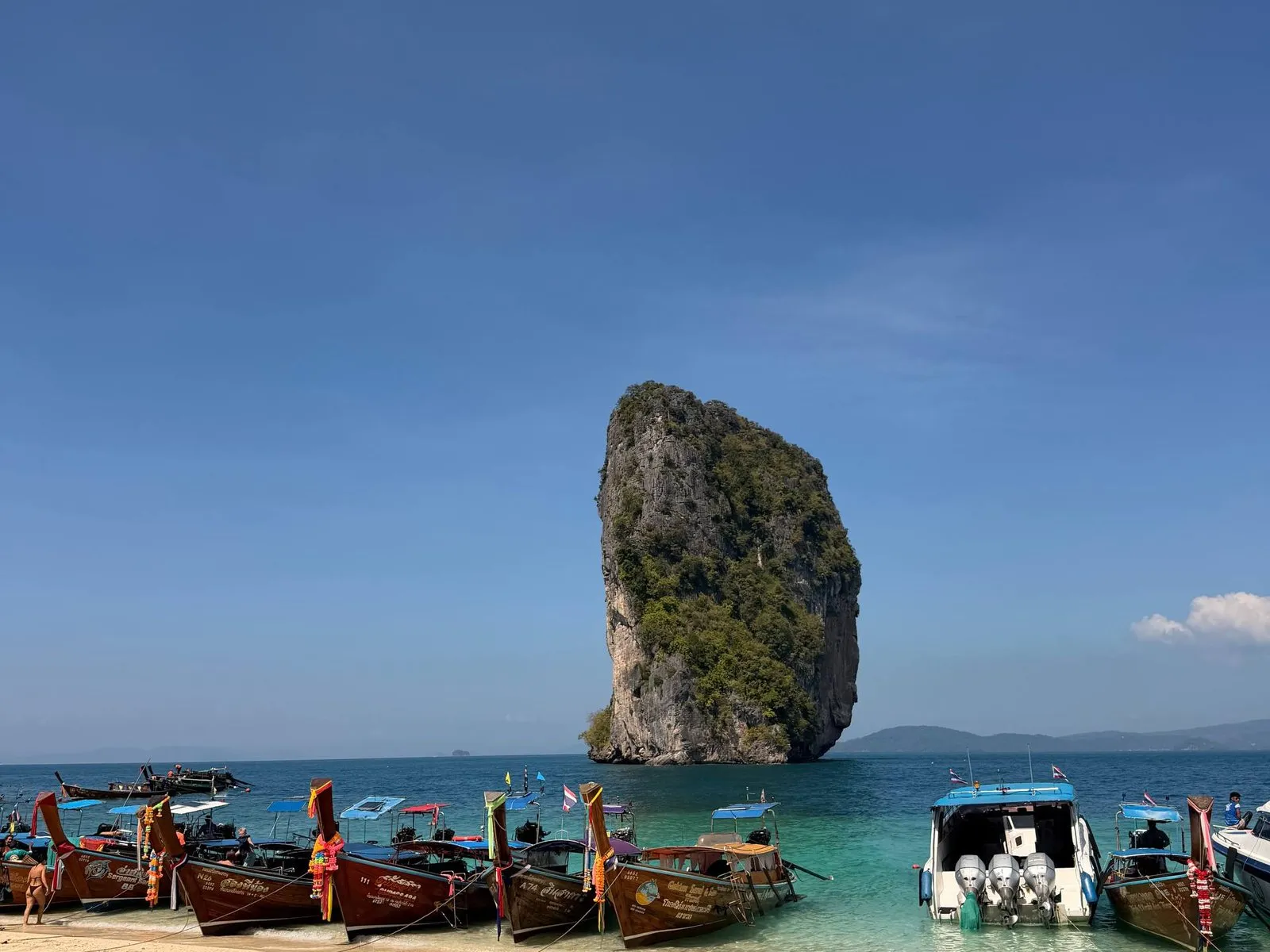
For living, the islands. I will be straight with you: the spot I would point you to, and where I am headed next myself, is Ko Samui, Ko Phangan, and Ko Tao. I have not based there yet so I will not pretend I have, but everything points to them being the sweet spot for nomads who want beauty and other people doing the same thing. What I have seen of the islands, places like Ko Samet and the Krabi coast, is enough to make me trust that. (Bali might be the best of all for working, but that is its own article.)
How to actually find a place
Once you want something longer than a hostel, skip the obvious route. Airbnb works and it is easy, but you pay for that ease. The real move is Facebook groups. They are far cheaper, you negotiate directly with the owner, and you get more for your money. Just do basic checks first, because scams exist, and a few minutes of verifying saves you real money.
One quiet thing I learned: an owner would rather rent to a calm, normal person than to a tourist who is clearly there to party. Come across as someone who will respect the place and you get better prices and better places. Being decent is a discount.
The visa, in one line
I do not really “move” in the permanent sense. A tourist entry gives you about two months, so I do visa runs: leave, come back, or hop to another country in the region for a while. It sounds like a hassle and it is not. This whole part of Asia is a buffet, and bouncing around it is part of the point.
What the trip actually teaches you
Here is the part no guide can hand you. To do this you have to be ready to leave yourself behind and take the first step into the unknown. Travel shows you how different people and places really are, and the only way through is to fall into the culture instead of fighting it. Trying new things breaks your own barriers. You learn to adapt: one evening you are out in a city, the next you are alone on a boat heading to some hidden island.
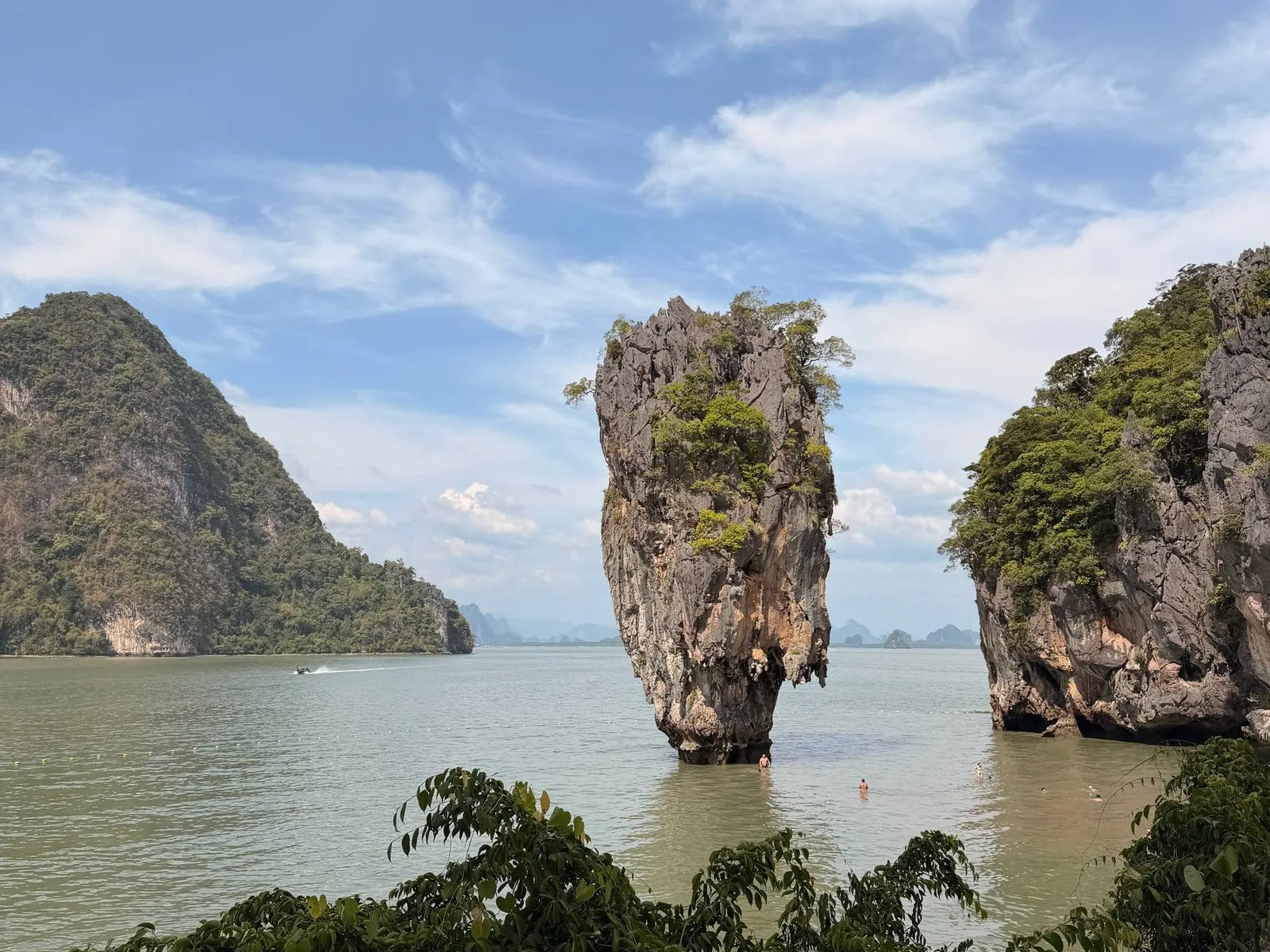
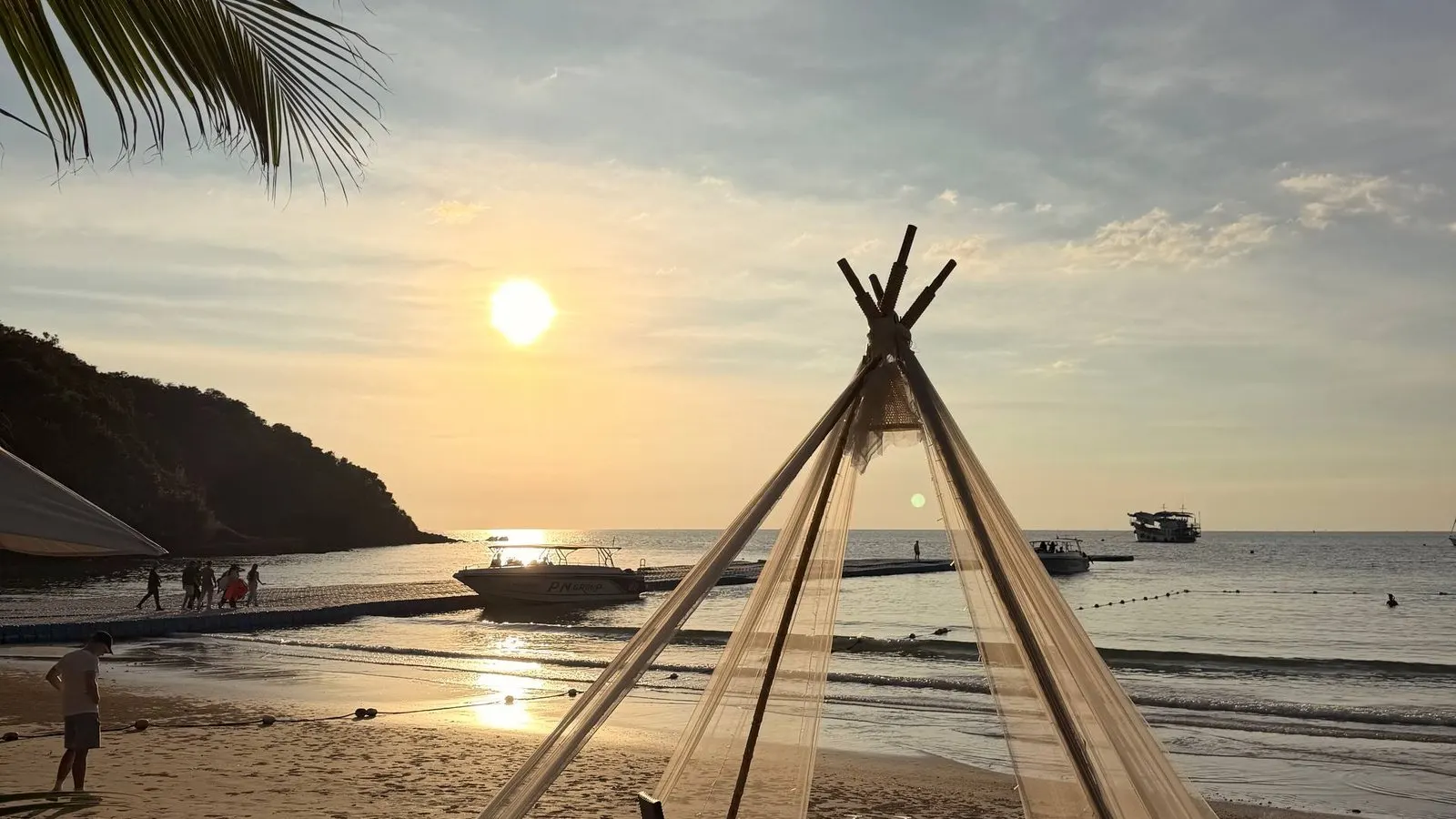
And after enough of it, something strange happens. The busy tourist spots blur together. They all start to look the same. What stays with me, what I picture when I think about Thailand, are the quiet islands where the whole landscape was mine alone, a sunset on Ko Samet with nobody around. Those few peaceful moments are worth more than all the noise. That is what you are actually moving for. Not to escape something. To find those.
If you want the honest math on what living here costs, it is over here. And every place I have been based since is on the travels page.