Living in Malta: is it cheap? (the honest answer)
#nomad . #malta . #cost-of-living
People ask if Malta is cheap, because it looks like it should be: a small island in the middle of the Mediterranean, full of young backpackers, easy to reach. The honest answer is no. Malta is more expensive than it looks, and more expensive than Tenerife or Italy. But cheap was never really the point of Malta. Let me tell you how I ended up there and what it actually costs.
How I ended up in Malta
It was October 2025. I was supposed to fly to Alicante in Spain to see a girl, and I was not sure about it. I had been home near Bari for two or three weeks and I was restless, ready to travel again. So I did the most practical thing I could: I looked at what was close and cheap. Malta is a one hour flight from Bari, and the Ryanair ticket was about 20 euro. That was the whole decision. I booked it and went to start moving again.
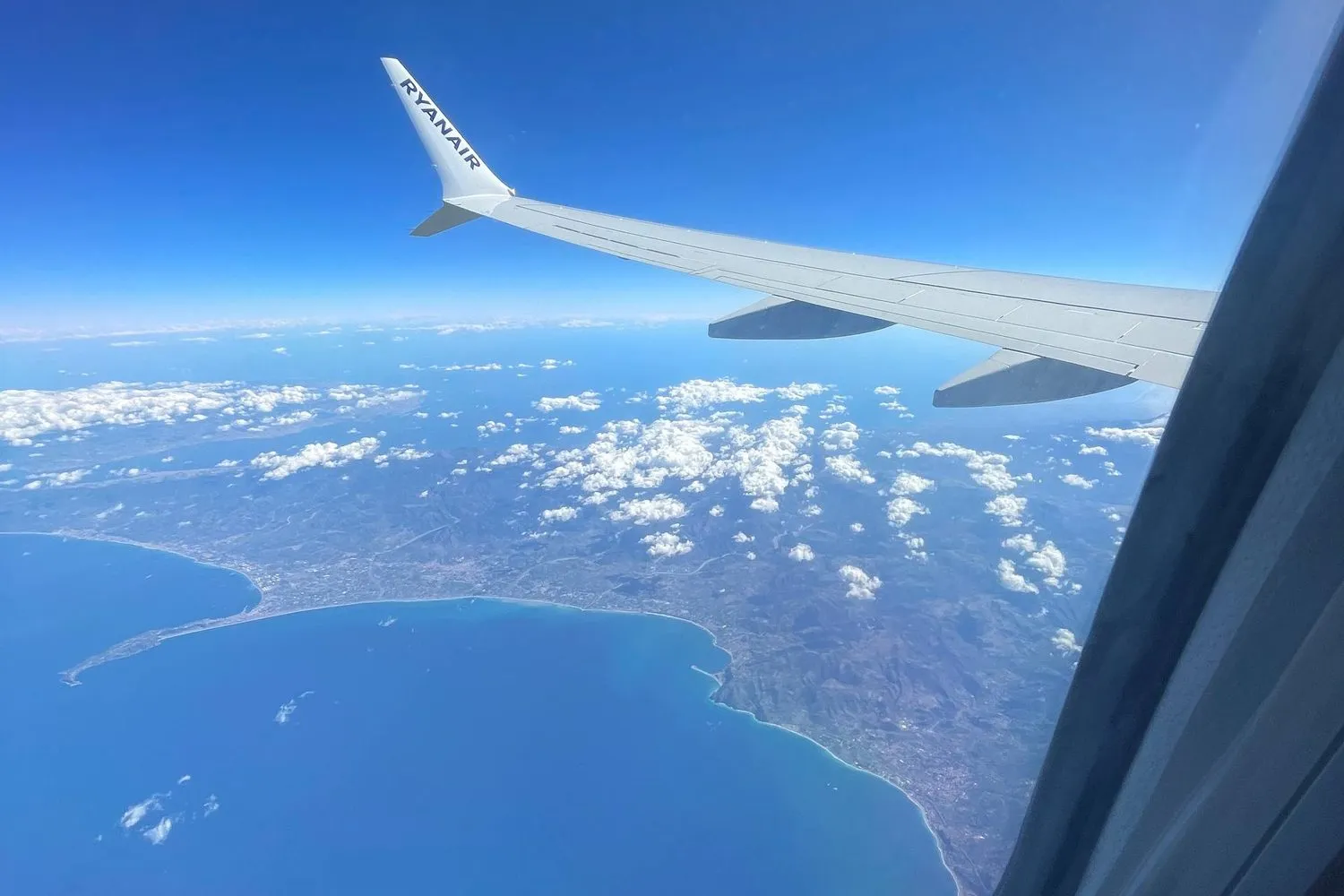
I landed in St Julian’s, my first time, and stayed in a hostel called Marco Polo. It was pure party: people awake all night, chaotic, perfect if you are young and backpacking. I lasted two or three nights, got a bit sick, and spent a few days just recovering. Then I started exploring, switching hostels every couple of days until I found a really good one in Sliema. That is where I settled in for the rest of the month.
The crowd that makes Malta
Sliema is where Malta clicked for me. The place was full of young people, and a lot of them were Colombians who come to Malta to study English. The funny part is that there were so many Spanish speakers that we all just ended up speaking Spanish anyway. Mornings they went to language school, and the rest of the day and night we spent together, going out, hanging at the hostel, working. That is the real texture of Malta: people working and studying, or just living there a few months, all of them figuring out their path. Living while traveling, not on any fixed track.
What it actually costs
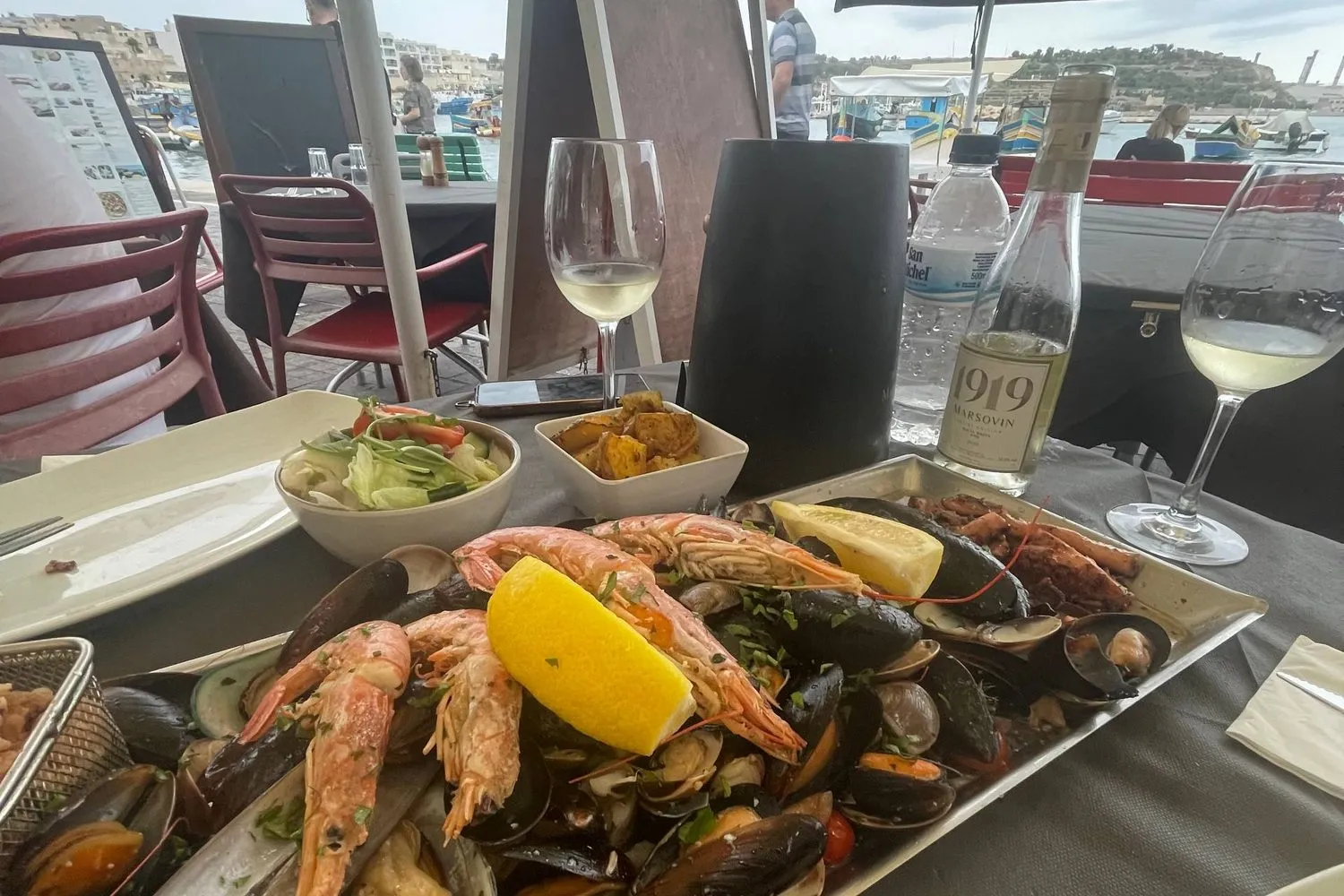
Here is the honest daily math. In the morning I would get a cappuccino and a croissant at a bar, about 5 to 6 euro. For lunch I would grab a tuna ftira, the very Maltese sandwich, cheap at 4 to 5 euro, healthy, good value. Those are the moves that keep Malta affordable. Eating in restaurants is expensive, so I was not spending 20, 30, 40 euro a day on food. At night it was kebab, or a pizza for around 15 euro, which is pricey but good. Cocktails and bars add up fast too.
So is Malta cheap? Not really. You have to be careful here in a way you do not in Tenerife or even Italy. If you are a student or on a tight budget, living in a hostel and eating smart, you can get by on maybe 400 to 500 euro. But for a normal basic life, even doing very little, you realistically need around 1000 euro a month. That is the number nobody tells you. The flip side is that salaries on the island are higher to match, so the money makes sense if you are earning there.
A small island with big money
One thing that surprised me is how much money is on display. Malta is tiny, and yet you see supercars everywhere. There is this constant mix of normal, average people and genuinely wealthy ones, all packed into one small place. It makes the island feel alive and a little aspirational, and it is a big part of why Malta is not a budget destination. It is a place where money moves.

What I did, and who Malta is for
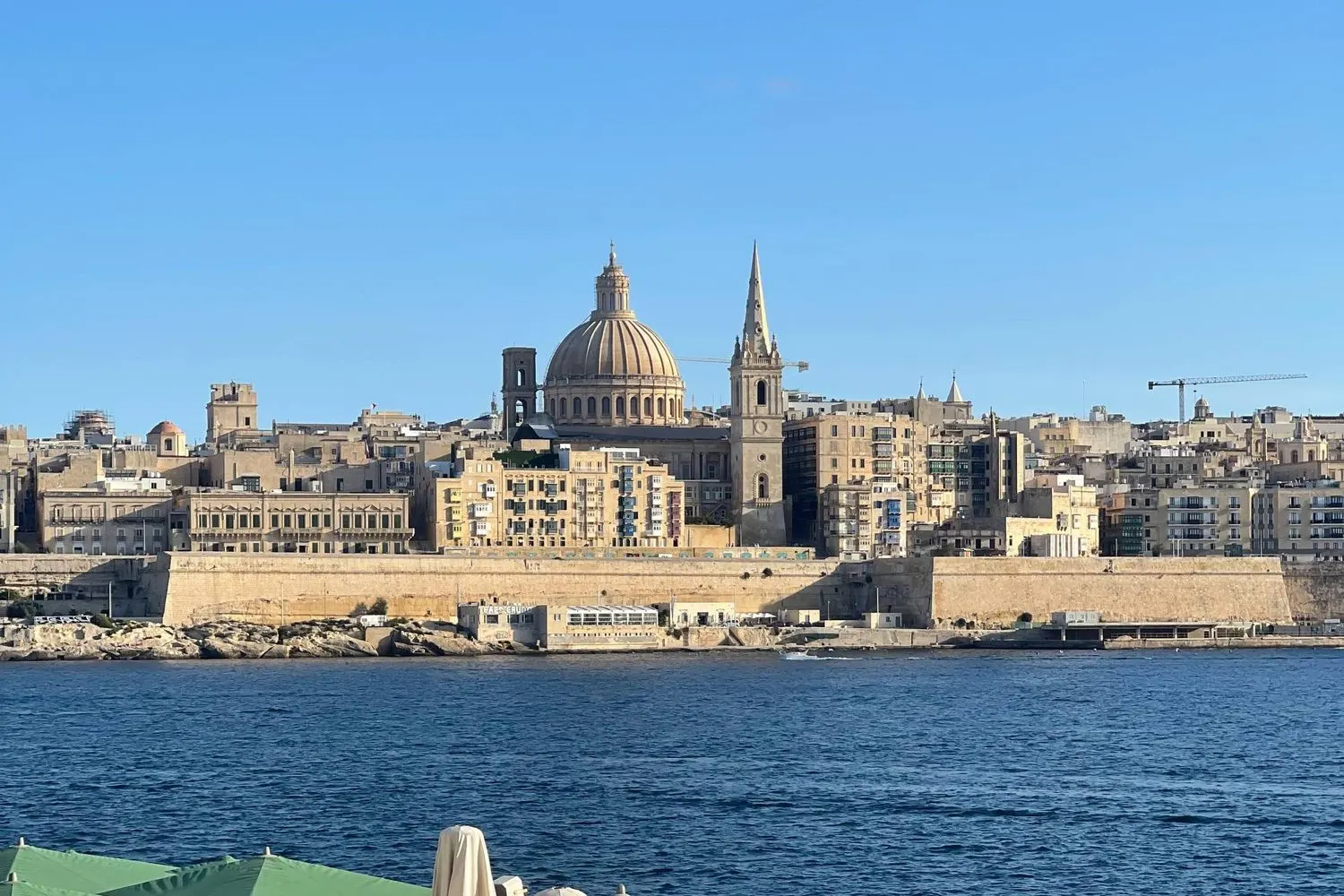
I am not going to oversell the tourism. I saw Valletta, which is genuinely nice, worth seeing two or three times. I did not go to the islands or the Blue Lagoon, did not do much of the touristy circuit. The Paceville nightlife, on the other hand, I did often, because with my friends it was the easy place to go.
So who is Malta really for? Young people, roughly 20 to 26, looking for quick opportunity. Work is easy to find. My friend Nicola worked as a dealer at the poker tables in a casino, on a good salary. You pay a lot to live, you do not save much, but you work, you meet people, you live an active life, and you are constantly in contact with wealthy people, which makes it a strong place to network.
The framing matters. If you go to Malta thinking “I am just going to work and make money,” it will not happen. You go there to grow, to build something, to put yourself next to opportunity. Seen that way, the island gives you a lot.
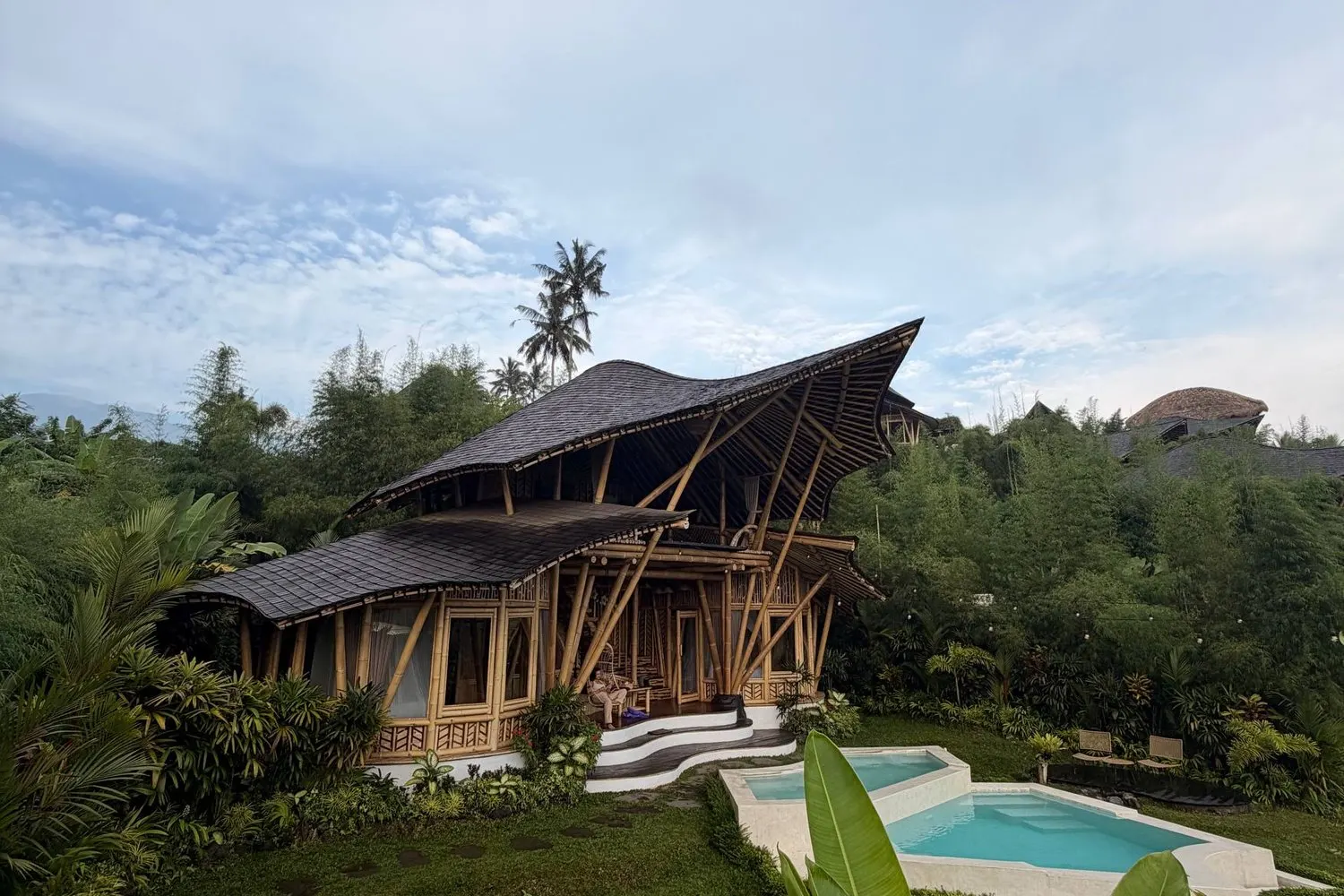
Malta is not where you go to save money. It is where you go to start something when you are young. For the cheaper bases, read what it costs to live in Tenerife or Bali. The full map of where I have lived is on the travels page.