Living in Tenerife: what it really costs
#nomad . #tenerife . #cost-of-living
Tenerife is where I became a digital nomad. Not Bali, not Thailand. A volcanic island off the coast of Africa that belongs to Spain. I have lived there across three long stretches, and every time I leave I end up coming back. So when someone asks me what the cost of living in Tenerife actually is, I do not give them the tourist answer. I give them the one I learned by paying for it.
You can live on about 500 to 600 euro a month
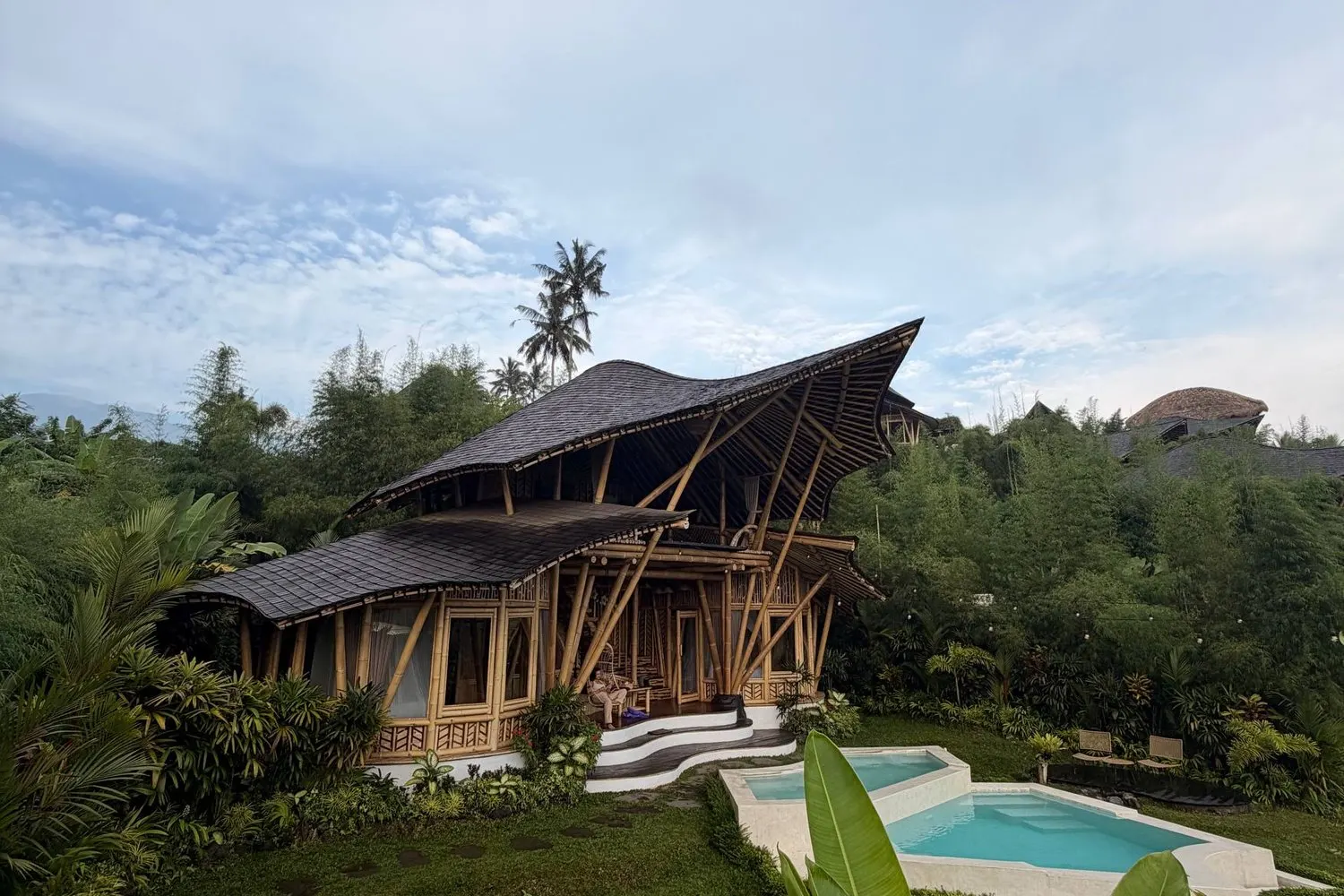
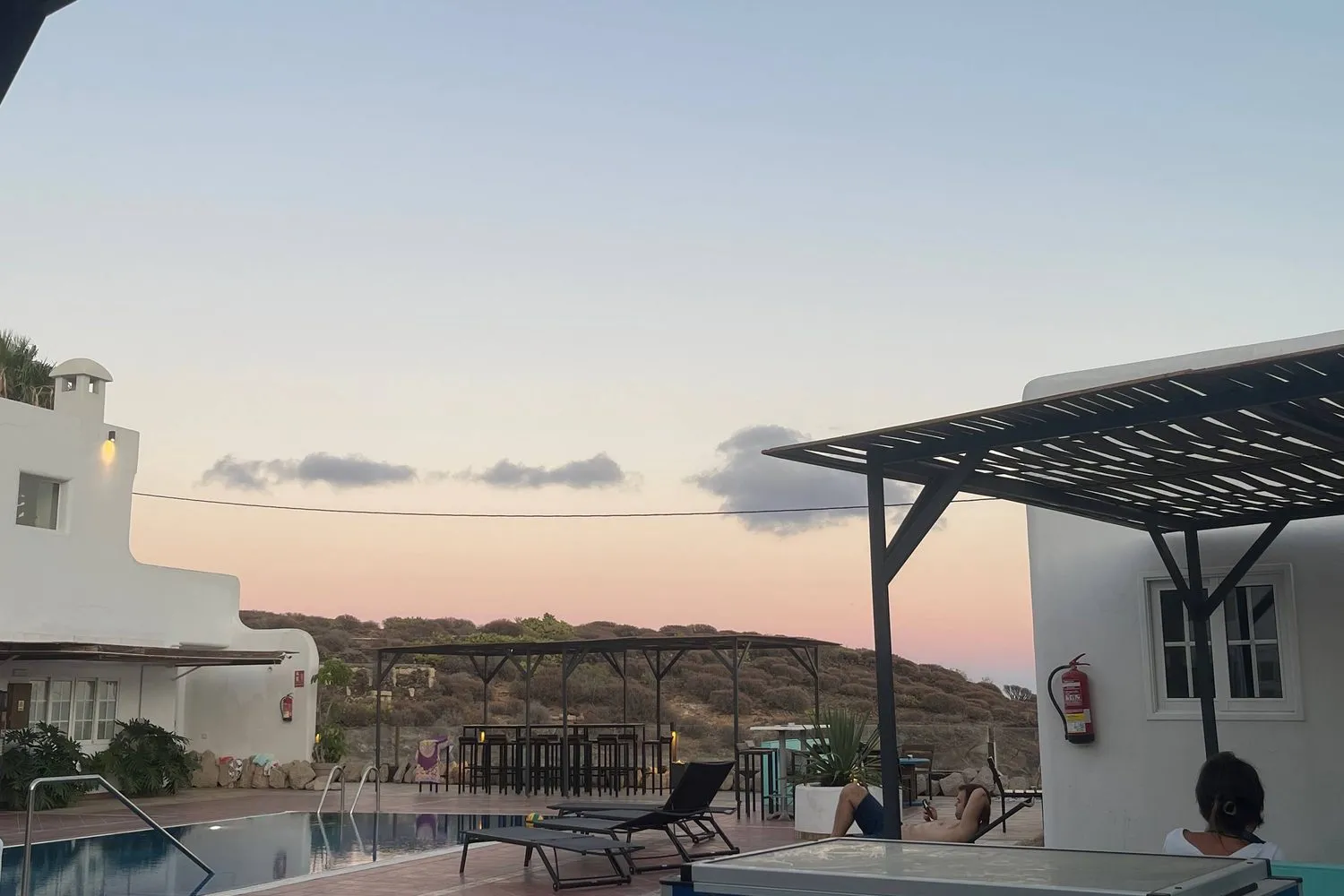
Off season, Tenerife is genuinely affordable. For one of my stretches I lived in what was basically a treehouse hostel built for digital nomads: a big villa, a pool, coworking space inside, clean rooms, and a crowd of young people from everywhere who turned into a kind of family. It cost me around 16 to 20 euro a day, which works out to roughly 500 to 600 euro a month for a place I actually loved waking up in.
That is the number to hold onto: about 500 to 600 a month for rent in the right spot, off season. It is not a survival budget. It is a good life with a pool and people you like.
Food is European, not Asian
Here is where Tenerife differs from Asia, and where people get the budget wrong. This is Europe. The food costs European money. Eating out is 10, 15, 20 euro a meal at a normal restaurant. There is no 3 euro warung magic like in Bali.
The flip side is the supermarket. Groceries are normal European prices, and on plenty of things actually cheaper than Italy. So if you cook, your food bill stays low and sane. If you eat out every night, Tenerife costs what any European town costs. You decide which.

The catch nobody tells you: high season
Now the part that matters most, and the part the cost-of-living articles skip. From roughly November to February, prices on the island double or triple. That same hostel room that cost me 16 to 20 a day in summer became 40 euro a night in winter. Multiply that out and the cheap island is suddenly not cheap at all.
This is exactly why I left. One January the high-season prices got so steep that I packed up and flew to Morocco for a month instead, where my money went three times as far. If you are coming from Italy or anywhere on a normal European income, plan around this. Come in the off months and Tenerife is a bargain. Come at Christmas and you pay resort prices.
There is a reason for it, and the reason is the crowd. In winter the island fills with Germans, British, and Dutch escaping their own grey, freezing winters. They come on Northern European salaries, the prices are nothing to them, and the whole island quietly reprices itself for that wallet. Great if you earn in pounds or euros from the north. Painful if you do not.
What you actually do here
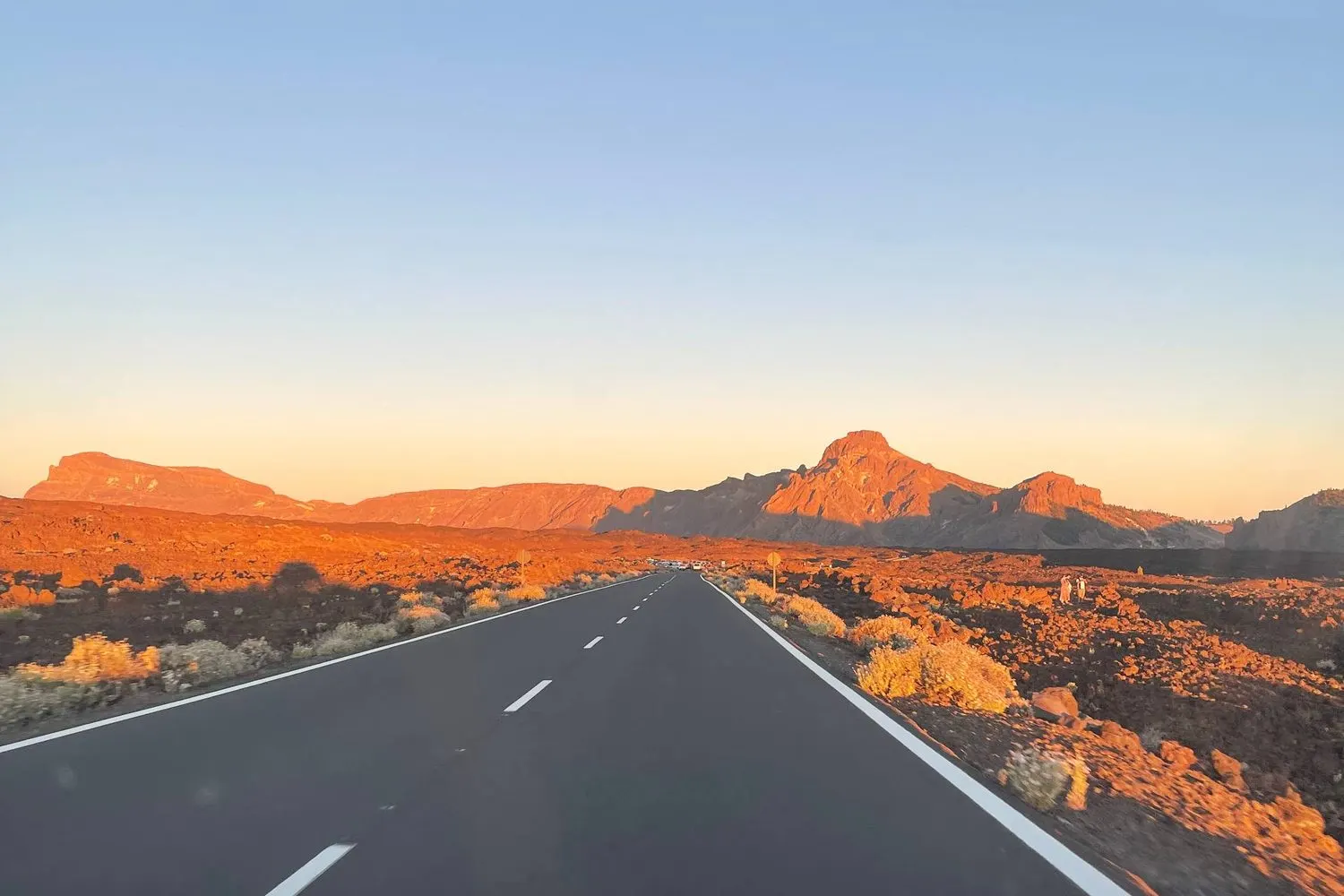
The island is small and a cheap rental car opens all of it. You drive up to Teide, the volcano, and hike a landscape that looks like Mars with the Atlantic on the horizon. You find the beaches the package tourists never reach. And if you know where to look, there are full-moon parties in the lava caves that are unlike anything else I have been to.
If you are into wind sports, head to El Médano in the south. It is one of the best spots in the world for surf, windsurf, kitesurf, and wind foiling, and the crowd there is almost entirely German. It is an expensive sport, and that tells you exactly who the island draws.
Why it stays with me
I first landed in Tenerife in September 2020, mid Covid, for a week with two friends. There were no tourists anywhere. The island was empty and silent and felt like pure peace. I had just come out of a hard few years, and seeing how freely people there were living planted the whole idea in my head: that you could build a life that was not chained to one place. The nomad dream started on that trip. Everything I have done since, every other country in my travels, traces back to that quiet empty week on a volcano.
If you want the version of this with the cheaper food, read what it costs to live in Bali or Thailand. But if you want Europe, with a volcano and an Atlantic and a price tag that is fair as long as you dodge the winter, Tenerife is hard to beat.