AI for solopreneurs: how I run ten projects alone
#ai-tools . #solopreneur . #building-with-ai . #one-person-business
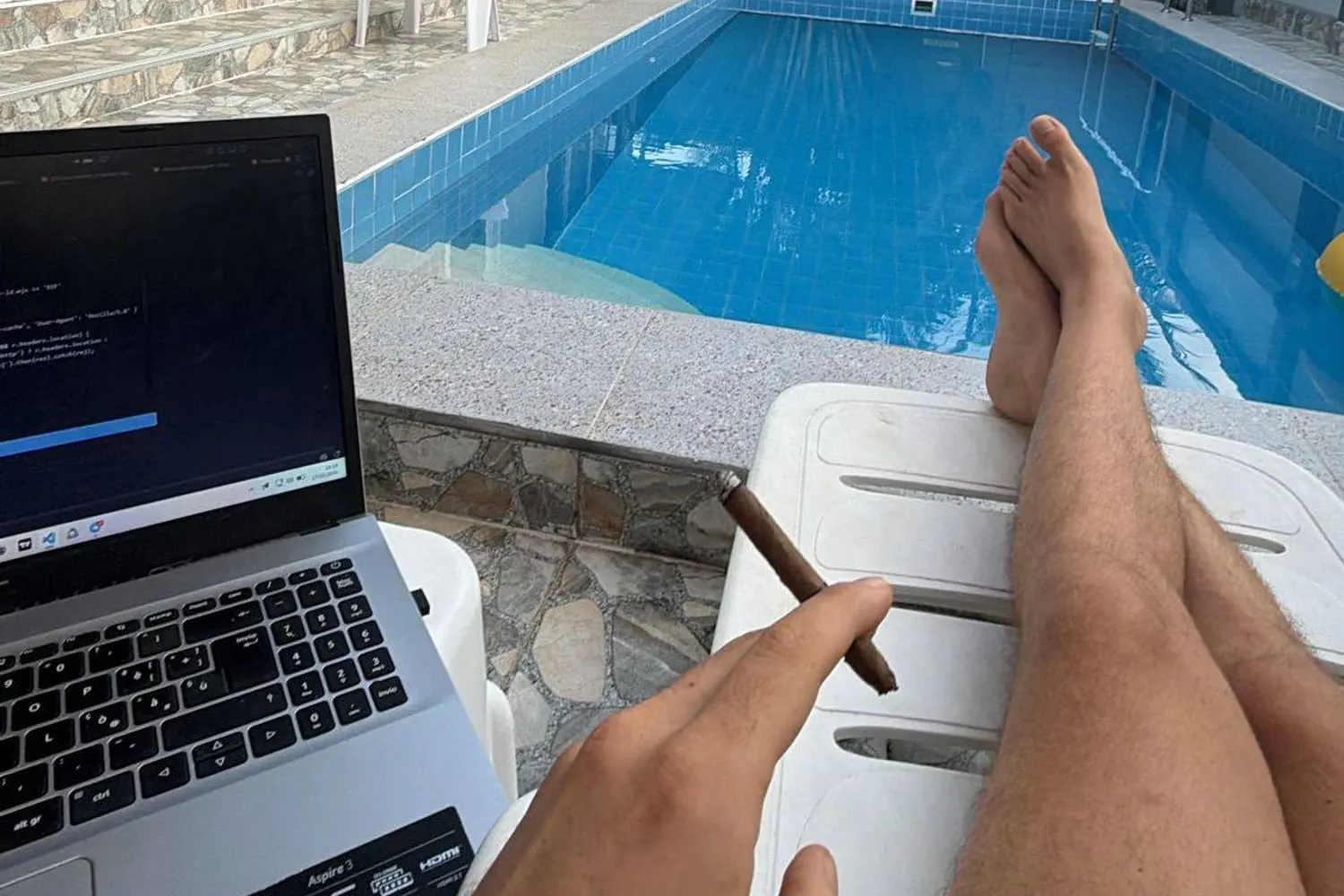
Few people know what I actually do all day. My parents do not really get it, and most of my friends do not either. The short version is this: I run about ten projects at once, alone, and the only reason that is even possible is that I do not do it alone anymore. I have a partner now. It does not get tired, it does not ask for a salary, and it knows the ten things I never had the time to learn. This is the honest version of what AI for solopreneurs actually looks like, not the hype. I am not a coder. I do not know APIs. I started with almost no skills. So if you are waiting to feel ready before you build something, read this first.
The hard part was never one skill
Everyone thinks the wall is one big skill, like coding. It is not. The wall is that running anything online is ten small disciplines stacked on top of each other, and none of them are taught anywhere in one place. A bit of Notion to organize. A bit of tracking. A bit of advertising. You have to build a website, then make it actually rank, which is a whole world of its own (it is slower than anyone admits). Then Search Console, then SEMrush, then tying all of it together so it does not fall apart.
No single person assimilates all of that properly. I could not. What changed is that I stopped trying to learn each one to the bottom and started using AI to bridge them: to understand, to put the pieces together, to improve what I already had. That is the real job now. Not knowing everything. Connecting everything.
Tool and partner: what I actually hand over
People ask if AI is a tool or a partner. For me it is both. It is a tool because it does the work for everything I have to ship. It is a partner because I put real trust in it: I hand it the things I do not know how to touch, and I let it run with them. Without that I would be lost, or everything would take so long that managing more than one project would be impossible.
The part that genuinely felt revolutionary was the APIs. I do not know what an API really is, not at the code level. But through this setup I can pump into a tool with a few clicks and get out exactly what I want, with almost no effort. Things that used to be a closed door for me, because they needed code I would never write, are now just a few steps. The best tools for solopreneurs are not the flashy ones. They are the ones that let you skip the skill you do not have.
One person, run like a company
Most of my projects are not random. They live in the same territory I have been building for years, interconnected, evolving month after month. I think of each one like a seed. You plant it, you water it, you give it time, and you give it better tools. Better tools make the tree better. Something I started six months ago and left sitting there is alive again now, not because I had a new idea, but because the tools around it finally got good enough to continue it.
That is what a one person business really is when it works. It is not me doing the job of ten people while burning out. It is me directing, and the system growing each project slowly, with care, the way a proper company would grow it. The only difference is that the company is one person.
Where it still fails: my own complexity, and the money
Here is the honest part, because I do not want this to read like a sales pitch. The thing that breaks it is not the AI. It is me, when I make things too complicated. The moment a project gets tangled, holding it all together becomes hard and everything slows down. So the real lesson it taught me is the opposite of what I expected: be simple. Make things elegant, cohesive, easy to follow and easy to replicate. Grow little by little. There is no rush. It has to be done properly, with care.
And there is one thing I still do entirely by hand, every week: payments. With money I have to be sure. I cannot just trust a system and look away. Little by little even that will be handed over, but not yet, not until the trust is earned. That is the line I hold, and I think everyone should hold their own version of it: automate the work, keep your hand on the thing that must not break.
So where do you start
If you are starting today with no skills and no code, like I did, here is the only thing that matters: start. Understand what is around you, then take one step, and learn along the way. Stay curious on purpose, because everything is changing fast and there is always more to explore. The opportunity is always there, but it has to be dug. You mine until you find it, and then you work hard on it.
It is the same thing I told myself the first time I left for a new country with no plan: just buy the ticket. The same instinct I use now to pick where to go before everyone else does. You do not wait until you are ready. You start, and the tools, and you, get better as the tree grows.